Freddie Mercury
Freddie Mercury was not just a singer; he was a force of nature. As the frontman of Queen, he blended the grit of rock and roll with the grandeur of opera, creating a stage persona that was as intimate as it was colossal. From his beginnings in Zanzibar to his final recordings in Montreux, Mercury’s life was a masterclass in self-invention and artistic defiance.
From Farrokh to Freddie: The Making of an Icon
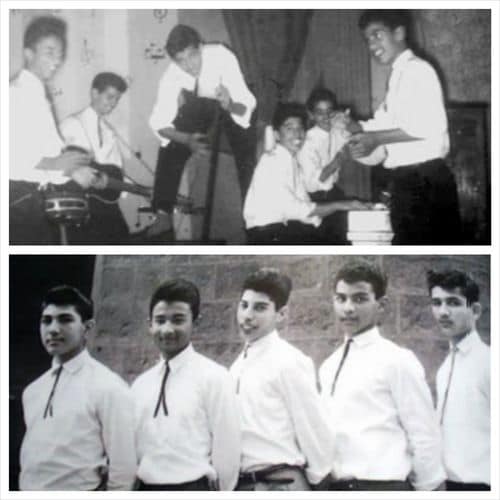
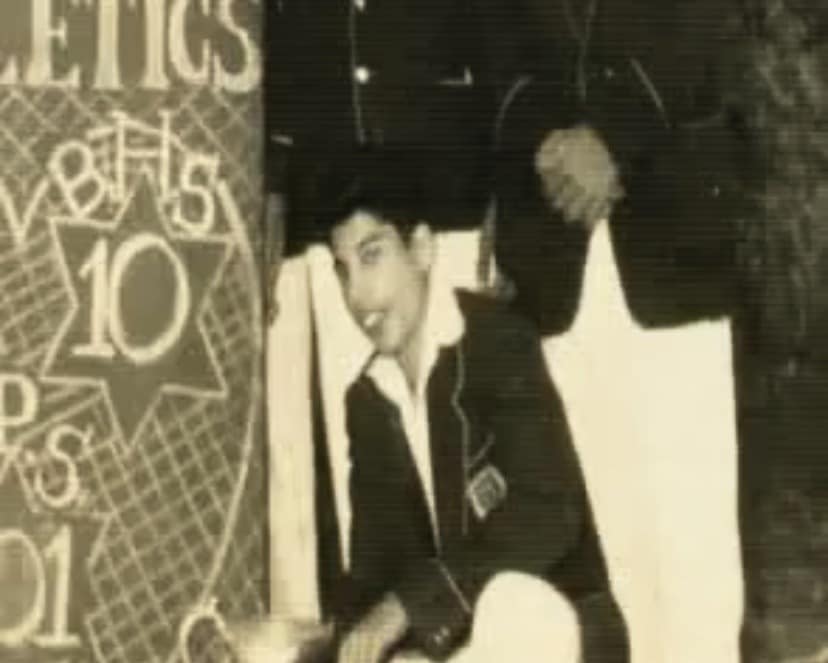
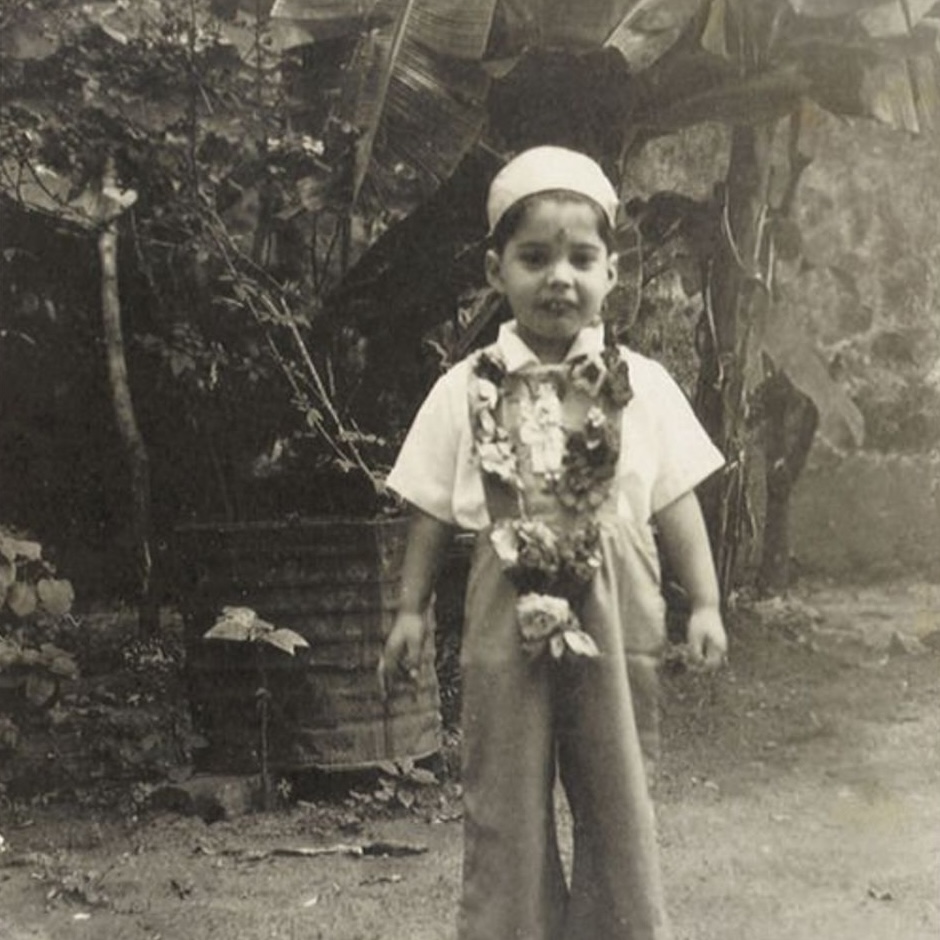
Born Farrokh Bulsara in 1946 in Zanzibar (now Tanzania), Freddie spent much of his childhood in India at St. Peter’s boarding school. It was here that he began piano lessons and formed his first band, The Hectics. In 1964, his family fled to England to escape the Zanzibar Revolution.
In London, while studying graphic design at Ealing Art College, Farrokh transformed himself. He officially changed his name to Freddie Mercury, adopting the surname of the messenger of the gods. This was more than a rebranding; it was the birth of a character who refused to be constrained by his background, his shy personality, or the social norms of the time.
The Science of a Miracle Voice
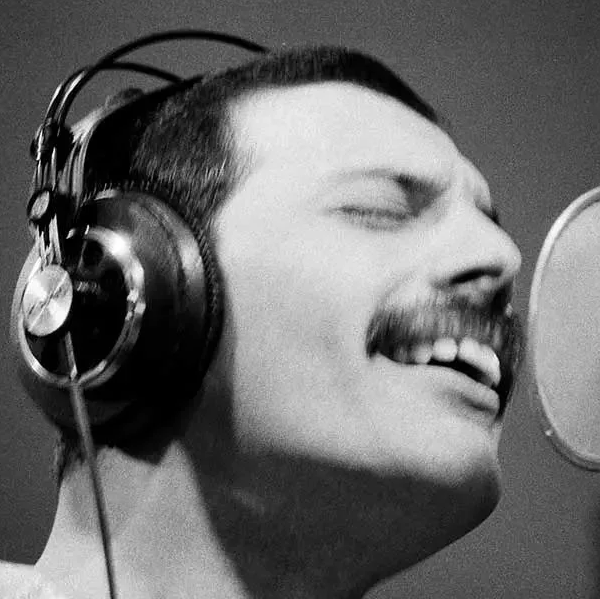
While Mercury famously claimed he never had formal vocal training, science has since tried to decode the magic of his voice. A 2016 study published in Logopedics Phoniatrics Vocology highlighted several "superhuman" traits:
The Baritone in Tenor’s Clothing: Although he primarily sang as a tenor, his speaking voice suggested he was a natural baritone, a range he often used in his lower, darker registers.
Faster Vibrato: While a typical classical singer has a vibrato frequency between 5.4 Hz and 6.9 Hz, Mercury’s vibrato was measured at a staggering 7.04 Hz.
Subharmonics: Mercury could activate his "ventricular folds" (false vocal cords)—a technique usually reserved for Tuvan throat singers—to create his signature "rock growl" without damaging his voice.
From Farrokh to Freddie: The Making of an Icon
Mercury was a prolific songwriter who refused to follow a formula. His compositions ranged from the world’s most famous "mock-opera" (Bohemian Rhapsody) to gospel (Somebody to Love), rockabilly (Crazy Little Thing Called Love), and disco (Another One Bites the Dust).
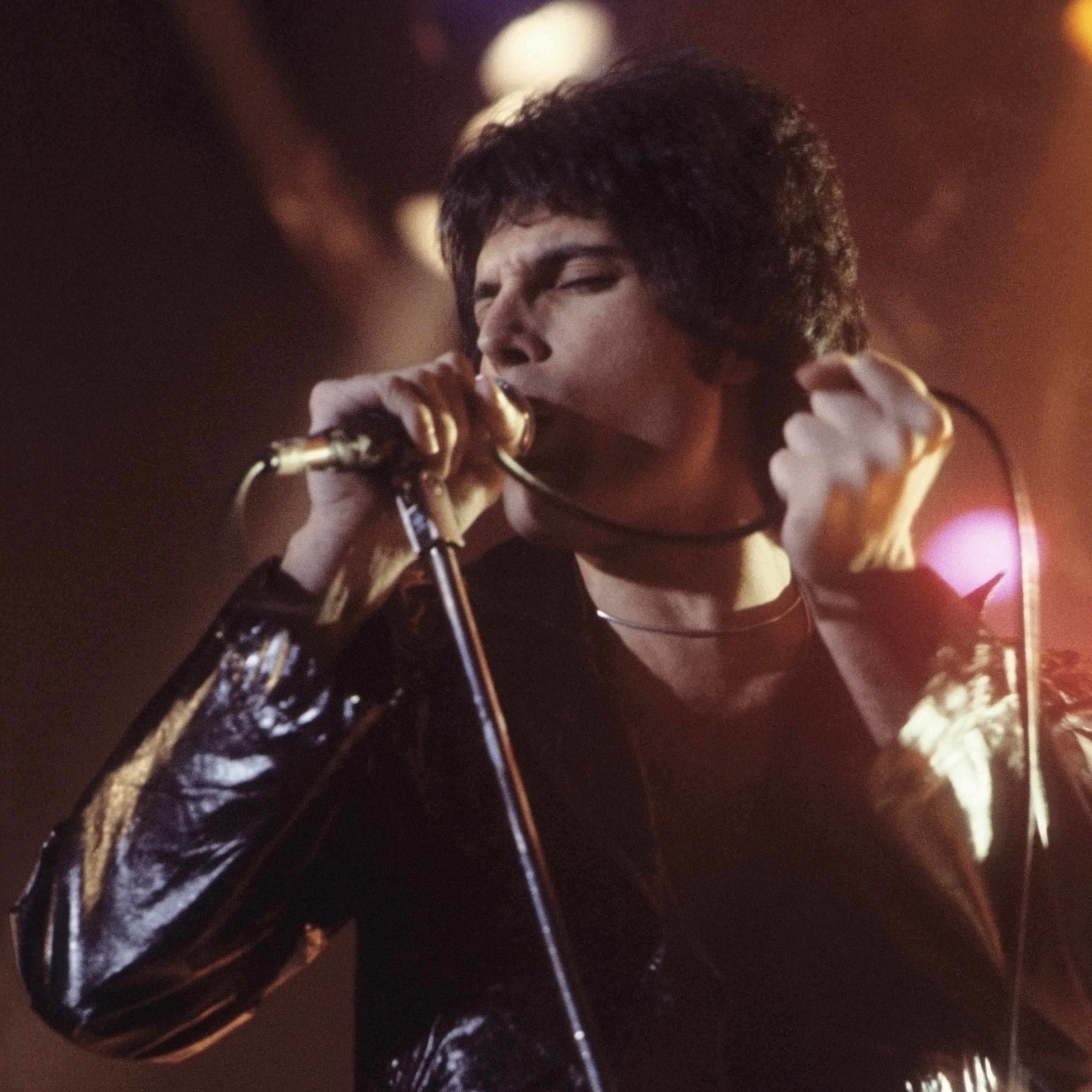
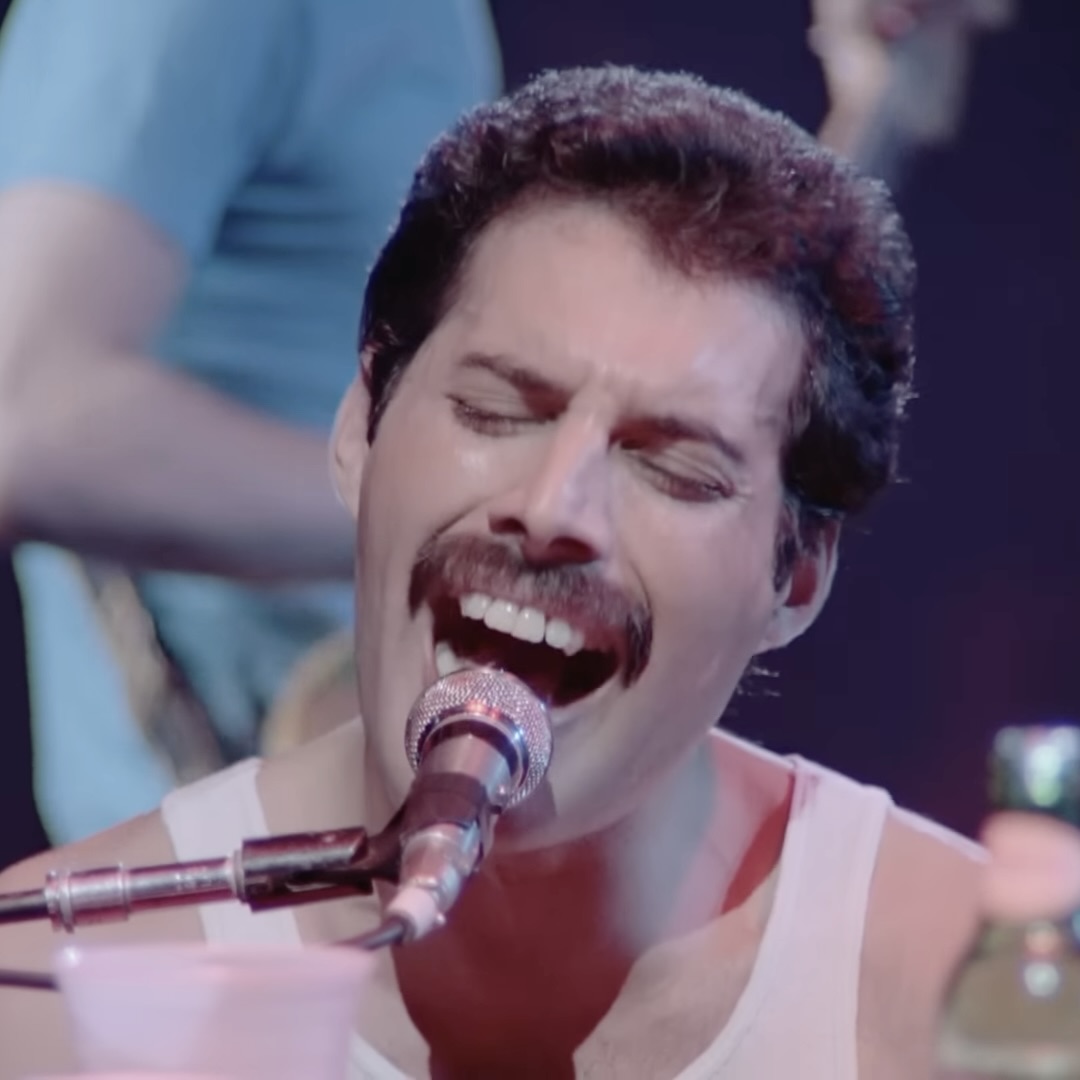
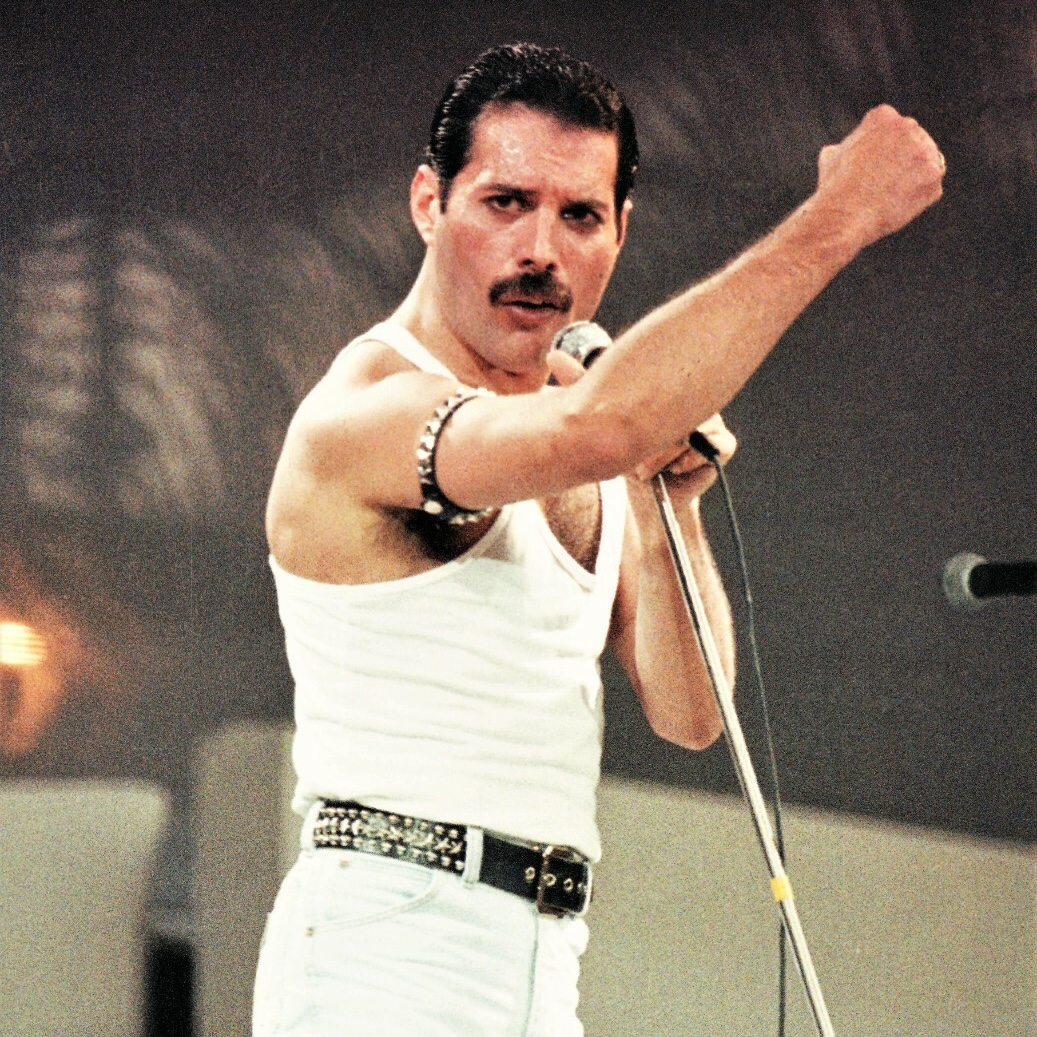
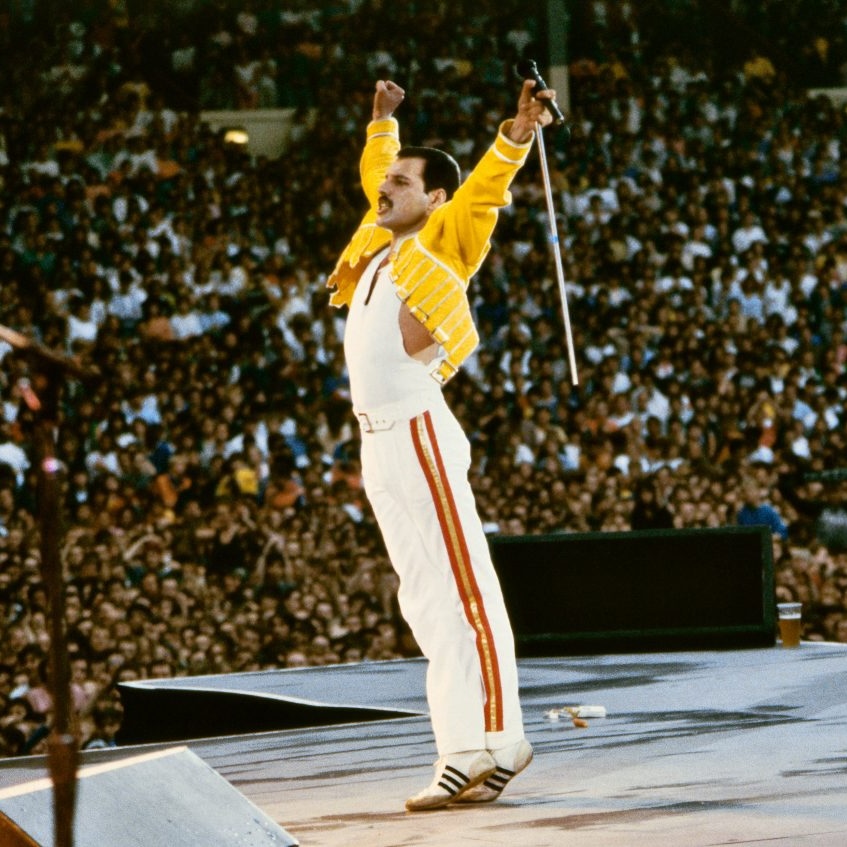
His greatest gift, however, was his ability to command a crowd. At Live Aid in 1985, Mercury gave what is widely considered the greatest live performance in rock history. Armed with only a piano and a "bottomless" microphone stand, he turned a stadium of 72,000 people into a single, unified instrument.
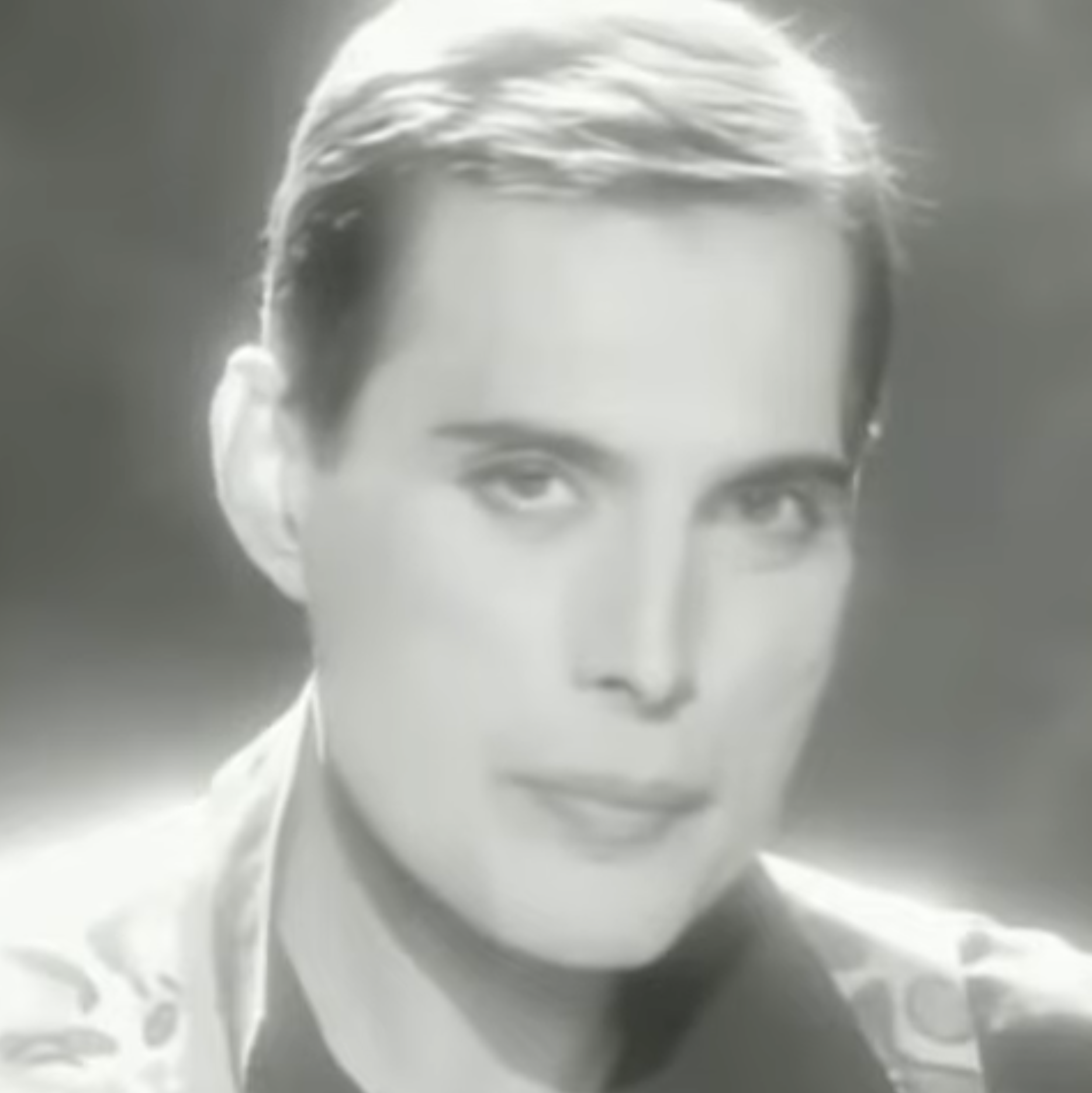
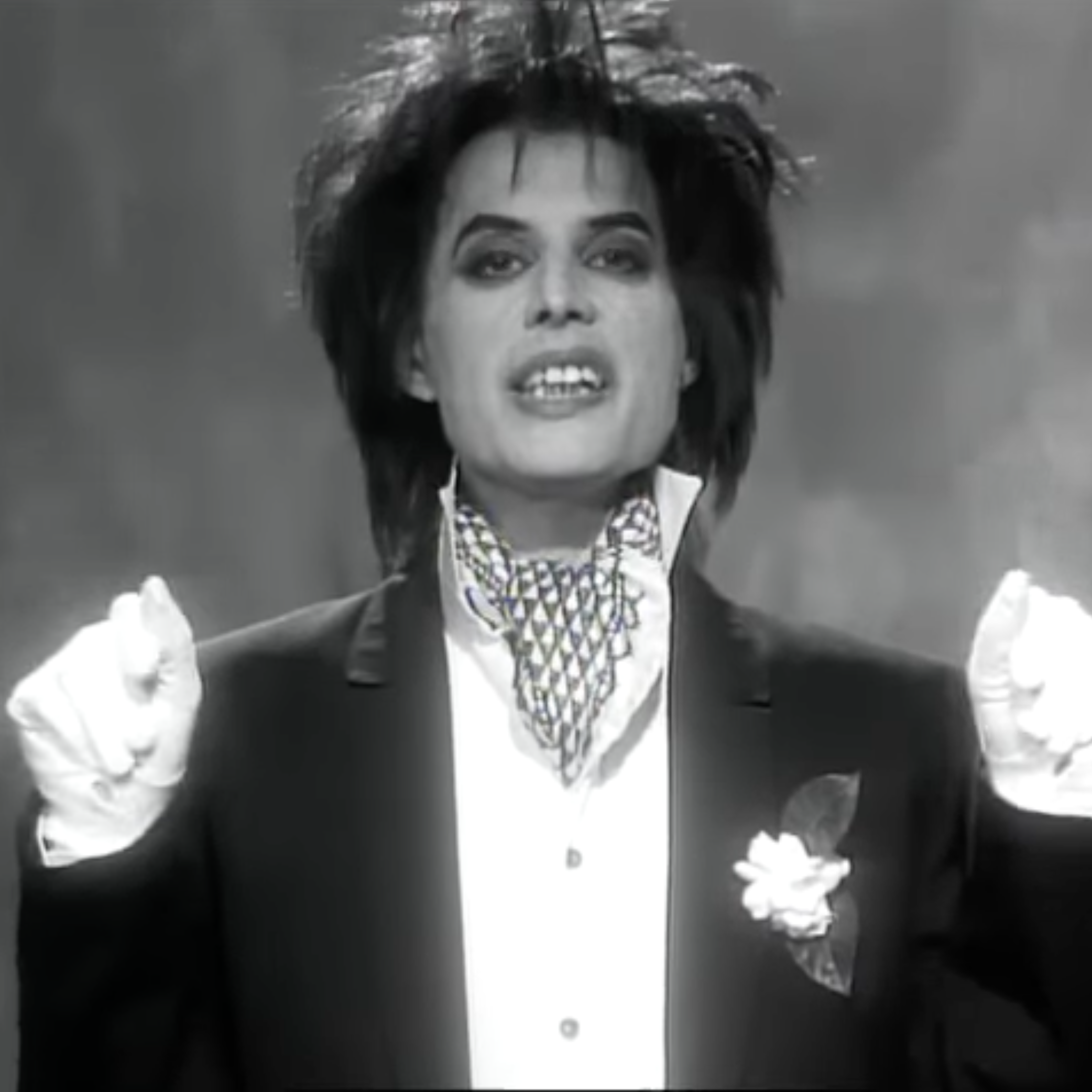
A Brave Finale
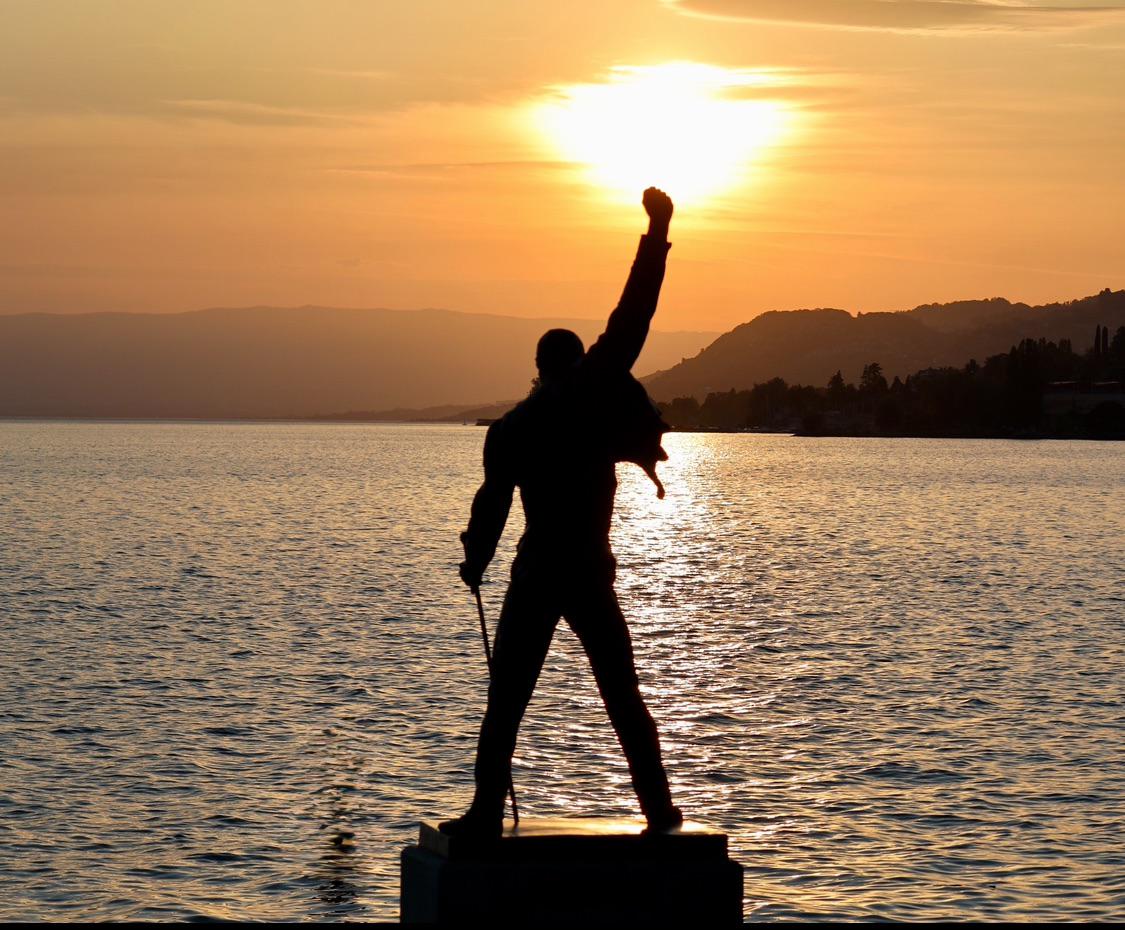
In the late 1980s, Mercury faced his final battle: HIV/AIDS. During an era when the disease was heavily stigmatized, he chose to retreat into the studio. He used his remaining strength to record the vocals for the albums Innuendo and Made in Heaven, leaving behind enough material for his bandmates to finish after he was gone.
Mercury passed away on November 24, 1991, just one day after publicly confirming his diagnosis. His death became a catalyst for global AIDS awareness, and the 1992 Tribute Concert at Wembley Stadium remains a landmark moment in the fight against the disease.
The Legacy in 2026
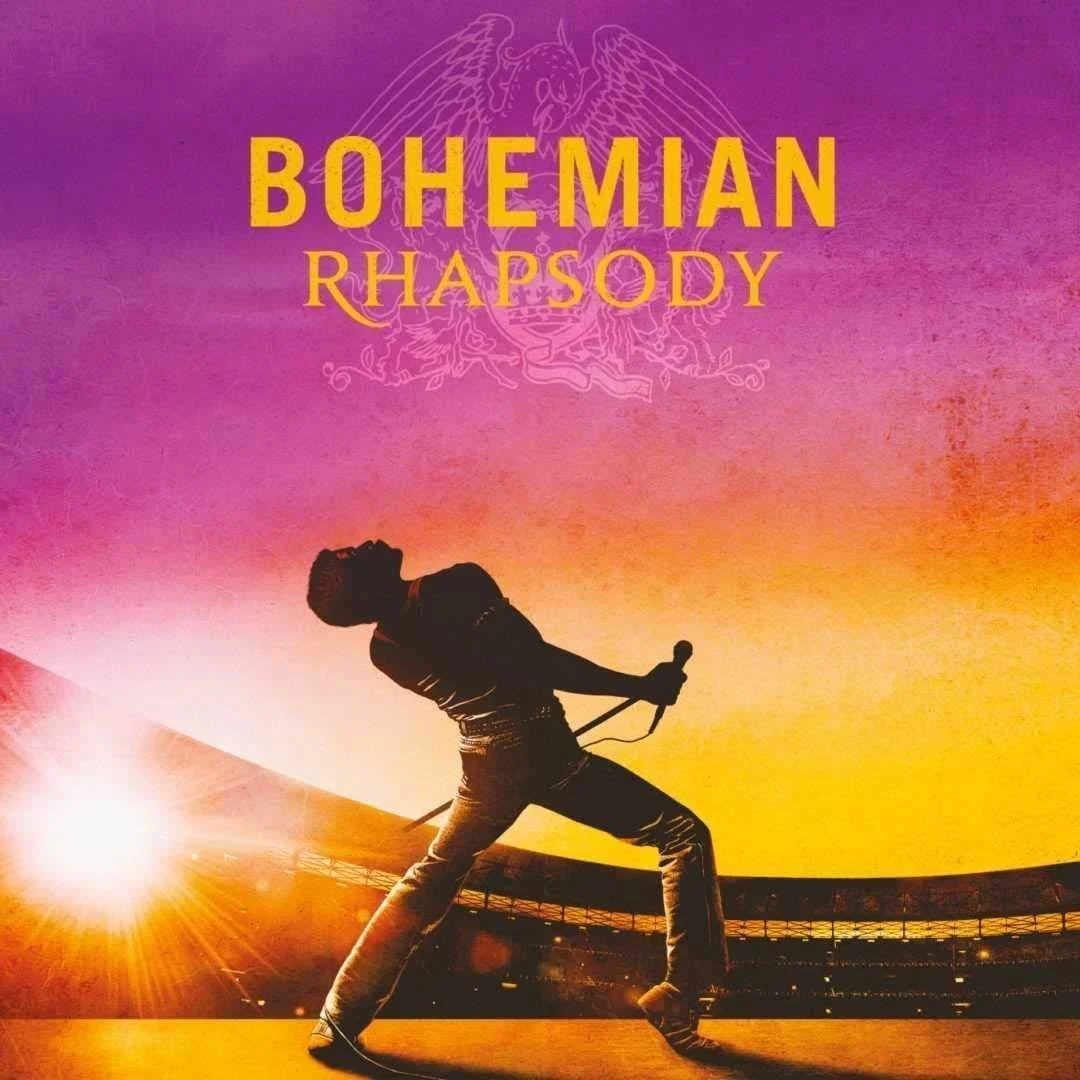
Thirty-five years after his passing, Freddie Mercury’s influence is stronger than ever. The 2018 film Bohemian Rhapsody introduced him to a new generation, and his image has become a universal symbol of freedom and self-expression. To his fans, he remains "The Great Pretender"—a man who wore a thousand masks, yet was never more honest than when he was singing.